leaning chimney repair Vancouver
Leaning Chimney Repair in Vancouver
Stop the lean before it falls
About Leaning Chimney Repair in Vancouver
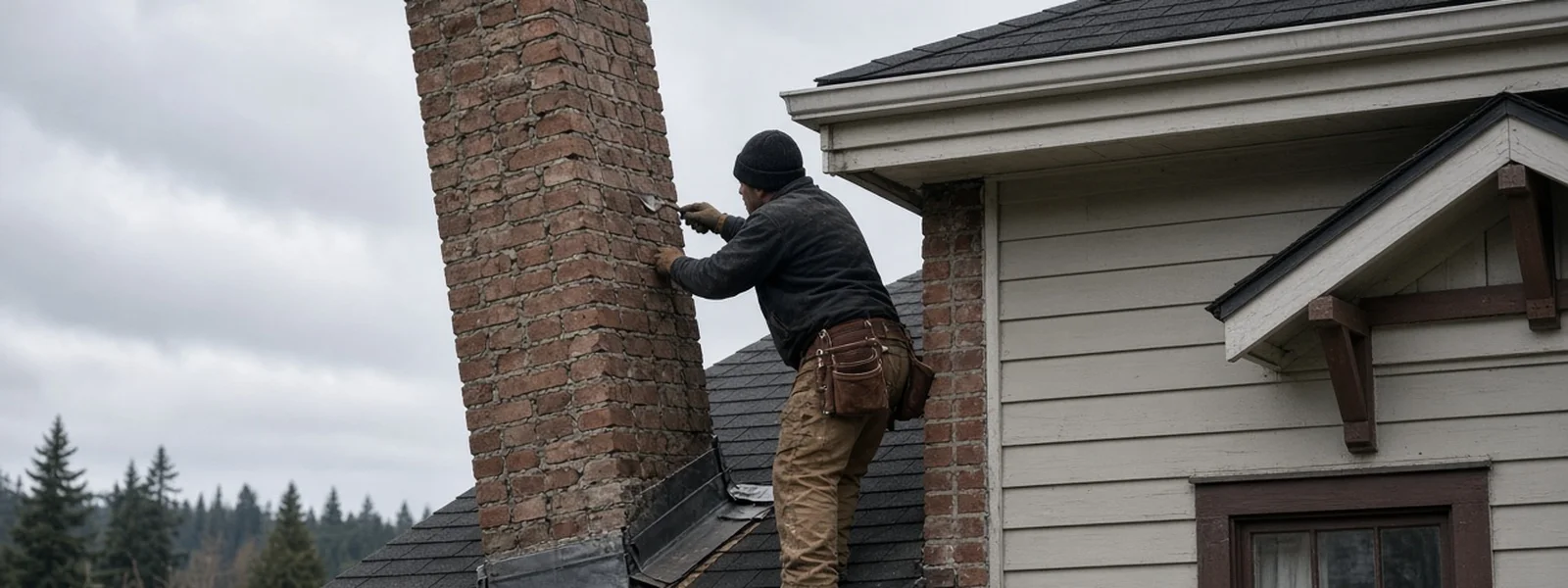
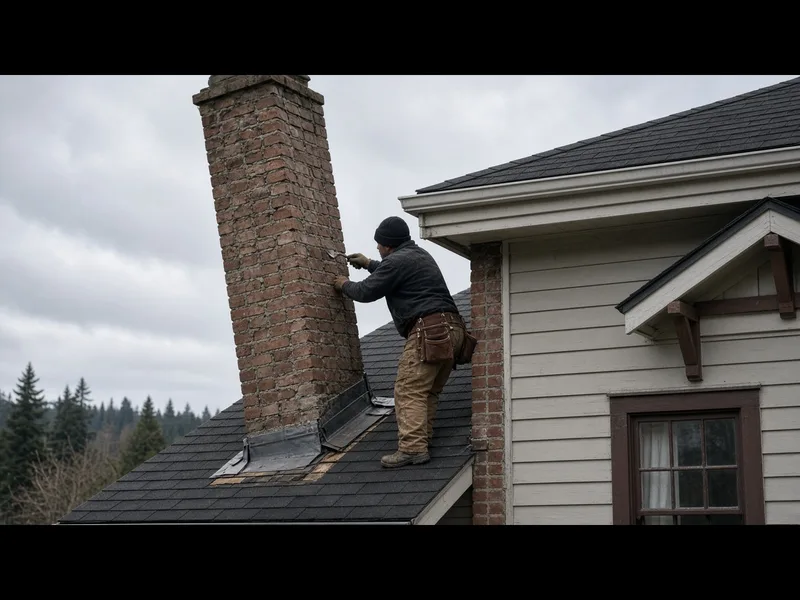
A leaning chimney is a foundation problem, not a masonry problem. The brickwork itself may be sound, but the footing under it has settled or the foundation it passes through has moved, and the chimney is now pulling away from the house. Left unaddressed, a leaning chimney will eventually separate completely, creating a falling hazard and a gap in the building envelope. The repair starts at the footing, not the top. We underpin or pier the chimney footing to stop any further settlement, reconnect the chimney to the foundation or wall framing where separation has occurred, and then address the masonry cracking and tuck-pointing that the movement has caused. The result is a chimney that is stable, sealed, and no longer a liability.
Chimney foundations are almost always isolated footings — they do not share bearing with the main house foundation. This means they can settle independently even when the rest of the house is stable. The classic failure sequence is: the clay soil under the chimney footing gets wetted and softened by a failed downspout or a gradual change in drainage pattern; the footing drops a few millimetres per year; the chimney separates from the house at the flashing line; water enters the gap; the structure above the gap deteriorates; and eventually the chimney leans enough to be visible from the street. By the time it is visually obvious, the footing has typically settled 50 to 100 mm. Helical piers reach below the depth of the problem soil and transfer the load to bearing material, which stops further movement immediately. The partial recovery of the lean that is achievable by lifting the footing depends on whether the mortar joints and brick have taken a permanent set, which is why we assess the masonry condition before committing to a lift target. Elite Vancouver Foundation Repair brings the right equipment and the right method to every job.
Signs You Need This Service
- Visible gap between chimney and house wall at any height
- Chimney leaning away from the house when viewed from outside
- Stair-step cracks in the chimney brickwork
- Flashing pulling away from the chimney base
- Water staining on interior ceilings near the chimney
Why Fix It Now
Our Leaning Chimney Repair Process
Foundation & Masonry Assessment
We measure the lean angle, probe the separation gap at the wall, inspect the base footing condition, and photograph the full chimney from base to cap.
Footing Underpinning
Helical piers are installed beside the chimney footing and connected with a bracket. The pier is loaded to the torque value specified by the engineer and the footing is stabilized. Where settlement is active, the chimney is partially lifted back toward plumb.
Reconnection & Flashing
Where the chimney has separated from the wall or roof structure, the connection is restored with stainless steel ties and new flashing. This seals the building envelope and prevents water from entering the gap.
Masonry Repair
Cracked mortar joints are ground out and repointed with matching mortar. Structural cracks through the brick are injected with low-viscosity epoxy. The cap is inspected and replaced if deteriorated.
Ready to fix it for good?
Call now, free assessment604-373-3161Leaning Chimney Repair in Metro Vancouver
Vancouver's pre-war bungalows and isolated chimney footings
Metro Vancouver has a very high density of pre-war homes with brick chimneys, particularly in Kitsilano, Mount Pleasant, East Van, and Burnaby. These chimneys were built on isolated footings that are now 70 to 100 years old, often sitting in clay soil that has been repeatedly saturated and dried over those decades. The same post-war renovation pattern — conversion from wood-burning to gas, addition of metal flue liners, often removal of the original hearth — has left many of these chimneys structurally orphaned: they are not tied into the structure, they are not in use, and they are gradually separating from the house.
What Affects the Cost of Leaning Chimney Repair
Every job is different. These are the main variables that move the number up or down — knowing them helps you understand any quote you receive.
Settlement depth
A chimney footing that has dropped 25 mm is a simpler repair than one that has dropped 100 mm. Deeper settlement may require a larger lift force, more piers, and more careful monitoring during the lift.
Masonry condition
A chimney with sound brick and minor joint cracking is cheaper to repair than one with significant brick displacement, missing sections, or a deteriorated crown.
Separation gap at the wall
A small gap sealed with new flashing and ties costs far less than a large gap that requires structural reconnection and significant masonry rebuilding.
Repair vs. demolition
Controlled demolition of an unstable chimney is sometimes less expensive than a full structural repair. Demolition requires permits, careful brick removal to avoid roof damage, and proper disposal.
Leaning Chimney Repair FAQ
Is a leaning chimney dangerous?
Can the chimney be pulled back upright?
My chimney is not used anymore. Should I still bother repairing it?
What causes a chimney footing to settle when the rest of the house is fine?
My home insurance company flagged the chimney. Will the repair be covered?
Should I repair the chimney or just demolish it?
Free on-site assessment
Get a Free Leaning Chimney Repair Assessment
Elite Vancouver Foundation Repair sends a licensed technician to take a look. No obligation, no sales pitch, and you get a plain-English report.